May 28, 2026
A roof protects a home from weather, moisture, and long-term structural wear, but many homeowners only notice issues once damage appears. Problems often develop gradually through small installation errors, ventilation issues, or missed maintenance, which compound over time and lead to costly repairs. Identifying these early helps prevent damage and extend the roof’s lifespan.
Installing Errors
Poor installation practices remain one of the most common issues identified by local roofers during inspections. Even when new materials are used, incorrect installation can undermine the entire system. Many homeowners assume that a new roof automatically means a reliable roof, but that is not always the case. Small shortcuts during installation often create long-term vulnerabilities.
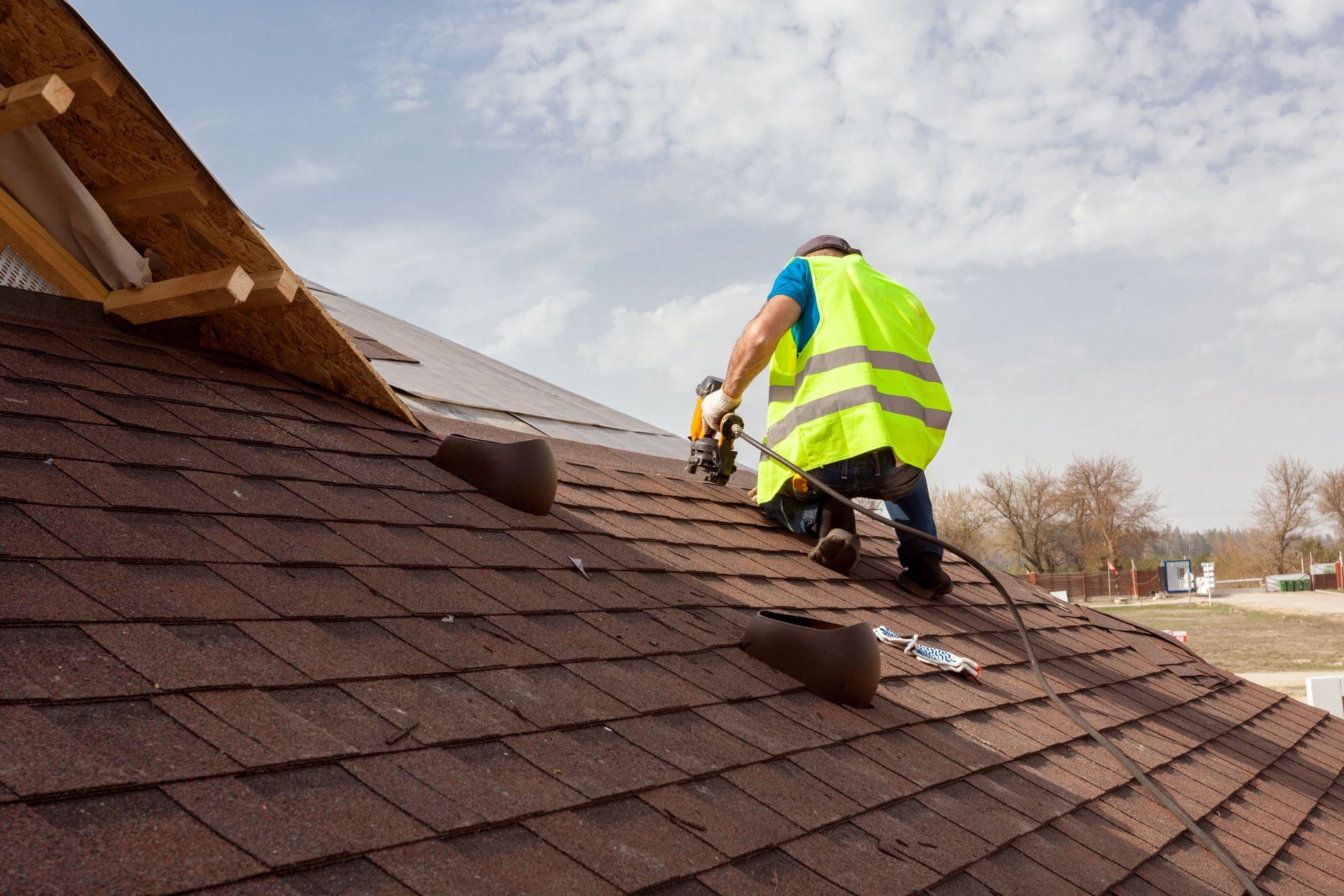
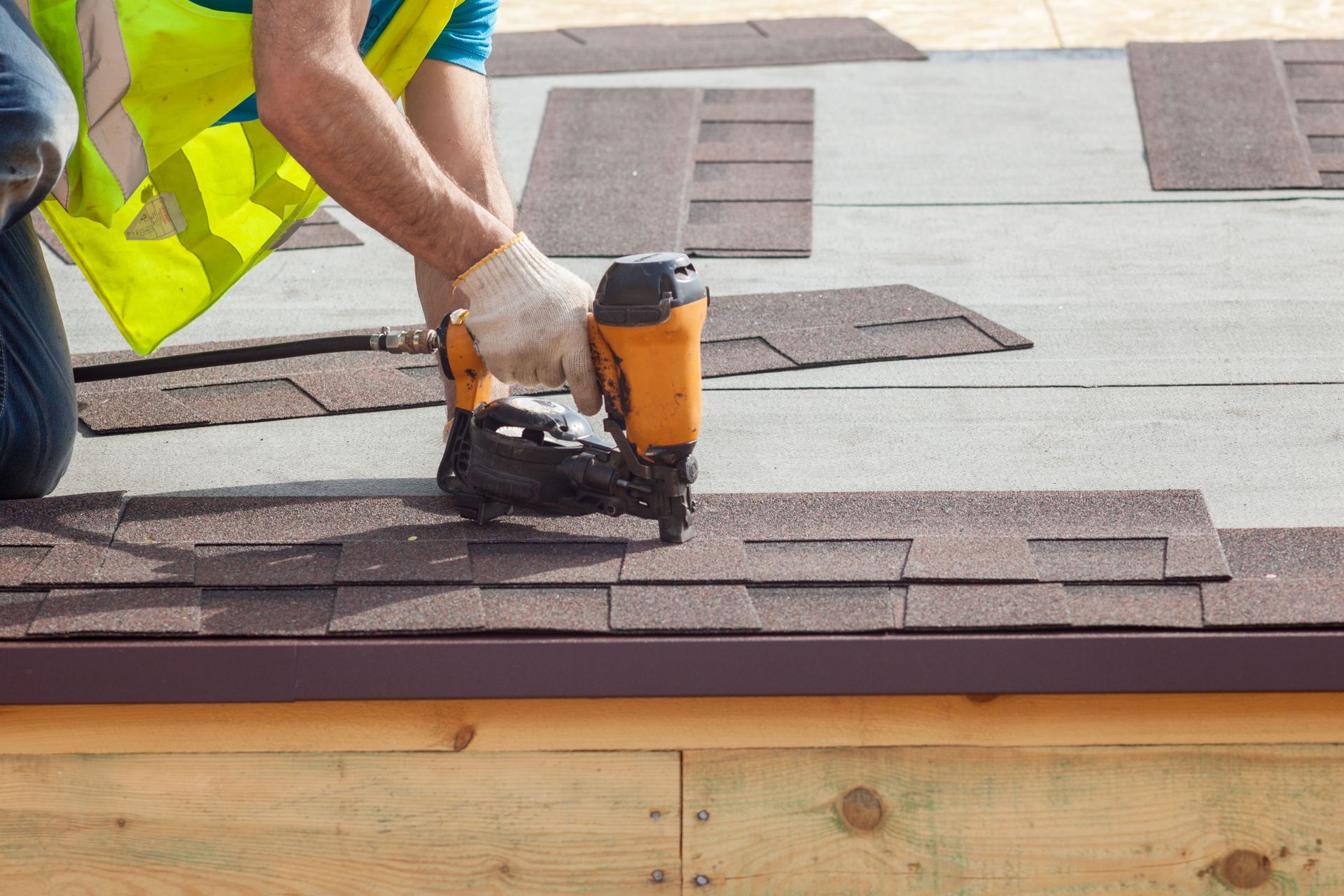
One frequent issue is the improper alignment of shingles and fastening inconsistencies. When nails are not properly placed or shingles are misaligned, water resistance is weakened immediately. Local roofers often note that these problems may not show up right away but tend to surface during heavy storms or seasonal changes. Correct installation techniques are essential to ensure long-term durability and weather resistance.
Another overlooked factor is adherence to manufacturer specifications. Skipping steps or altering installation recommendations to save time can significantly reduce performance. Local roofers consistently emphasize that precision during installation is not optional but foundational. When installation is handled correctly from the start, the likelihood of premature repair needs drops significantly.
Ventilation Errors
Ventilation issues are frequently underestimated until they begin affecting energy efficiency or structural integrity. Poor airflow in attic spaces can trap heat and moisture, leading to gradual material breakdown. Local roofers often find that ventilation problems are present in both older homes and newer builds that were not properly assessed.
One key concern is imbalance between intake and exhaust airflow. When these systems do not work together effectively, heat becomes trapped and roofing materials age faster than expected. Local roofers regularly observe higher cooling costs and moisture buildup in homes with ventilation inefficiencies. These issues often go unnoticed until visible damage appears.
According to Rooflink, a large majority of homeowners—about 92%—rank roofing among their top three home improvement priorities, often above HVAC or window upgrades. Despite this, ventilation is still commonly overlooked during routine home maintenance planning. Local roofers point out that proper airflow management plays a major role in protecting that investment.
Blocked soffit vents or undersized ridge vents also contribute to long-term damage. When airflow is restricted, moisture accumulates in hidden areas of the roof structure. Over time, this can lead to mold growth, insulation failure, and reduced shingle lifespan. Addressing ventilation early helps maintain both energy efficiency and structural health.
Flashing Issues
Flashing failures are among the most frequent sources of leaks that local roofers encounter. Flashing is designed to protect vulnerable areas such as chimneys, skylights, and roof valleys. When installed incorrectly or left unsealed, it becomes a direct entry point for water intrusion.
One common issue is improper alignment or use of low-quality materials. Local roofers often find that cheaper flashing materials degrade quickly under weather exposure. This leads to gaps forming around seams, which allows moisture to seep into underlying structures. Quality installation and durable materials are essential for long-term performance.
Another problem involves neglected sealant maintenance. Over time, sealants can crack or wear away, especially in areas exposed to constant temperature changes. Local roofers frequently see small, preventable leaks escalate into major interior damage because flashing was not inspected regularly. Routine checks can prevent this type of deterioration.
Chimneys and skylights are particularly vulnerable zones. Without proper sealing and inspection, these areas can quickly develop leaks that spread beyond the roof surface. Local roofers recommend consistent evaluation of these points, especially after severe weather events.
Material Evaluations
Material selection plays a major role in how well a roof performs over time. Local roofers often see issues that stem not from installation errors but from choosing materials that are not suited for the home’s environment. Climate, weight tolerance, and durability all influence performance outcomes.
One common mistake is prioritizing upfront cost over long-term value. Lower-cost materials may appear attractive initially, but they often degrade faster under environmental stress. Local roofers regularly encounter roofs that require early replacement due to materials that were not built for regional weather conditions.
Structural compatibility is another critical factor. Heavier roofing materials may not be appropriate for all homes. When weight is not properly evaluated, it can lead to sagging or structural strain. Local roofers emphasize that proper assessment prevents long-term damage that is expensive to correct.
Maintenance expectations also vary by material type. Some roofing systems require frequent upkeep, while others are designed for lower maintenance. Choosing without considering long-term care requirements often leads to unexpected costs. Local roofers advise evaluating both durability and maintenance demands before making decisions.
Maintenance Identifications
Neglecting regular maintenance is one of the fastest ways to shorten a roof’s lifespan. Local roofers consistently highlight that many major repairs begin as minor issues that were not addressed early. Routine inspections are often the difference between simple fixes and major structural work.
Small issues like loose shingles, minor leaks, or debris buildup can escalate quickly. Local roofers frequently find that homeowners delay repairs until visible damage appears inside the home. At that point, repair costs are significantly higher and more invasive.
Gutter maintenance is another commonly overlooked area. When gutters become clogged, water cannot drain properly and may back up onto the roof surface. Local roofers often link gutter neglect to moisture damage along roof edges and fascia boards. Regular cleaning helps prevent these issues from developing.
Roof surface debris also contributes to long-term wear. Leaves, branches, and trapped moisture can create conditions for mold growth and material decay. Local roofers recommend periodic cleaning to ensure proper drainage and prevent unnecessary deterioration.
Weather Assessments
Weather conditions have a direct influence on roof performance, yet their long-term effects are often underestimated. Local roofers frequently assess damage that results from storms, temperature fluctuations, and seasonal stress. These environmental factors gradually weaken roofing materials over time.
Storm damage is one of the most obvious risks, but not all damage is immediately visible. Local roofers often find that shingles may loosen or crack without being noticed until the next heavy rain. Post-storm inspections help identify issues early before they expand.
Seasonal temperature shifts cause roofing materials to expand and contract, which can weaken seals and create small openings over time. Local roofers note these changes are normal but should be monitored to prevent long-term damage. Snow and ice buildup can also create pressure points on roofs, leading to water intrusion and structural stress if not managed properly. Proactive seasonal preparation helps reduce these risks.
Structural Damage Observations
Structural concerns are often the result of long-term neglect rather than sudden failure. Local roofers typically identify these issues during detailed inspections that go beyond surface-level evaluation. Small warning signs often indicate deeper structural stress.
Sagging roof sections or uneven surfaces are key indicators of underlying problems. Local roofers often trace these issues back to moisture damage or improper material installation. When structural issues are ignored, repair complexity increases significantly.
Another concern is hidden water damage within roof layers. Moisture that enters through small gaps can gradually weaken wooden supports and insulation. Local roofers frequently uncover these issues only after interior signs become visible.
Load-bearing stress from poor material choices or debris buildup can lead to structural decline. Regular evaluation helps keep the roofing system stable and safe over time.
Most roofing issues develop quietly and are often missed until they become expensive repairs. Local roofers note that many problems are preventable with proper installation, maintenance, and inspections. Understanding how these issues develop helps protect both the structure and long-term home investment. A proactive approach to roof care reduces unexpected costs and extends system lifespan. CR Roofing & Exteriors provides professional support to keep your roof reliable, efficient, and built to last.